Yom Kippur in Modern Times
It is essential to bridge the gap between ancient traditions and contemporary kids’ life. Start by explaining the significance of this solemn day, emphasizing the universal themes of reflection, forgiveness, and personal growth. Connect these concepts to everyday experiences, like apologizing to friends or family for mistakes, and how Yom Kippur encourages a similar act of self-improvement. Introduce Hebrew words related to the holiday, such as “Teshuvah” (repentance) and “Slicha” (forgiveness), to help kids grasp the essence of the day. Incorporate relatable examples and stories that showcase the value of introspection and making amends in their own lives, making Yom Kippur a meaningful and relevant observance for them in today’s world.
Hebrew Essentials for Yom Kippur
Teaching essential Hebrew words related to Yom Kippur can be an enriching way to engage children in understanding the holiday’s significance. Here are some examples:
- Kippur – Kapara (Atonement): These words are at the heart of Yom Kippur’s meaning. Explain that “Kapara” means seeking forgiveness and making amends for one’s mistakes. “Kippur” signifies the day dedicated to achieving this atonement.
- Ne’ila (Locking): Ne’ila is a unique and significant moment during Yom Kippur. You can teach that it represents the closing of the gates of heaven, signifying the final opportunity for prayer and repentance. Encourage kids to reflect on their actions and intentions as the gates close.
- Se’uda Mafseket (Last Meal Before the Fast): Explain that this meal is a special time for families to come together before the day of fasting begins. According to the Babylonian Talmud, “One who eats and drinks on the ninth the verse ascribes him as if he fasted on the ninth and the tenth” (Brachot 8b). Meaning, it is as important to eat prior to the fast than to actually fast on the day. This is a good reminder for kids or grownups who cannot fast.
- Yom Tov (A Good Day): Clarify that Yom Kippur is indeed a day of celebration in the Jewish tradition. It’s a “Yom Tov” because it offers the chance for a fresh start and complete forgiveness. Emphasize that despite the fasting and solemnity, it’s a day filled with hope and happiness as one starts anew with a clean slate.
Hebrew From the Book of Jonah
Jonah was a prophet who was swallowed by a great fish (dag gadol) after attempting to evade his mission from God. He spends three days and nights in the belly of the fish before being vomited onto dry land, ultimately fulfilling his mission to preach to the people of Nineveh. Teaching kids the story of the book of Jonah and introducing Hebrew words from the narrative can be an engaging way to involve them during the Mincha service at the synagogue. Here’s a brief overview and the Hebrew words you can focus on:
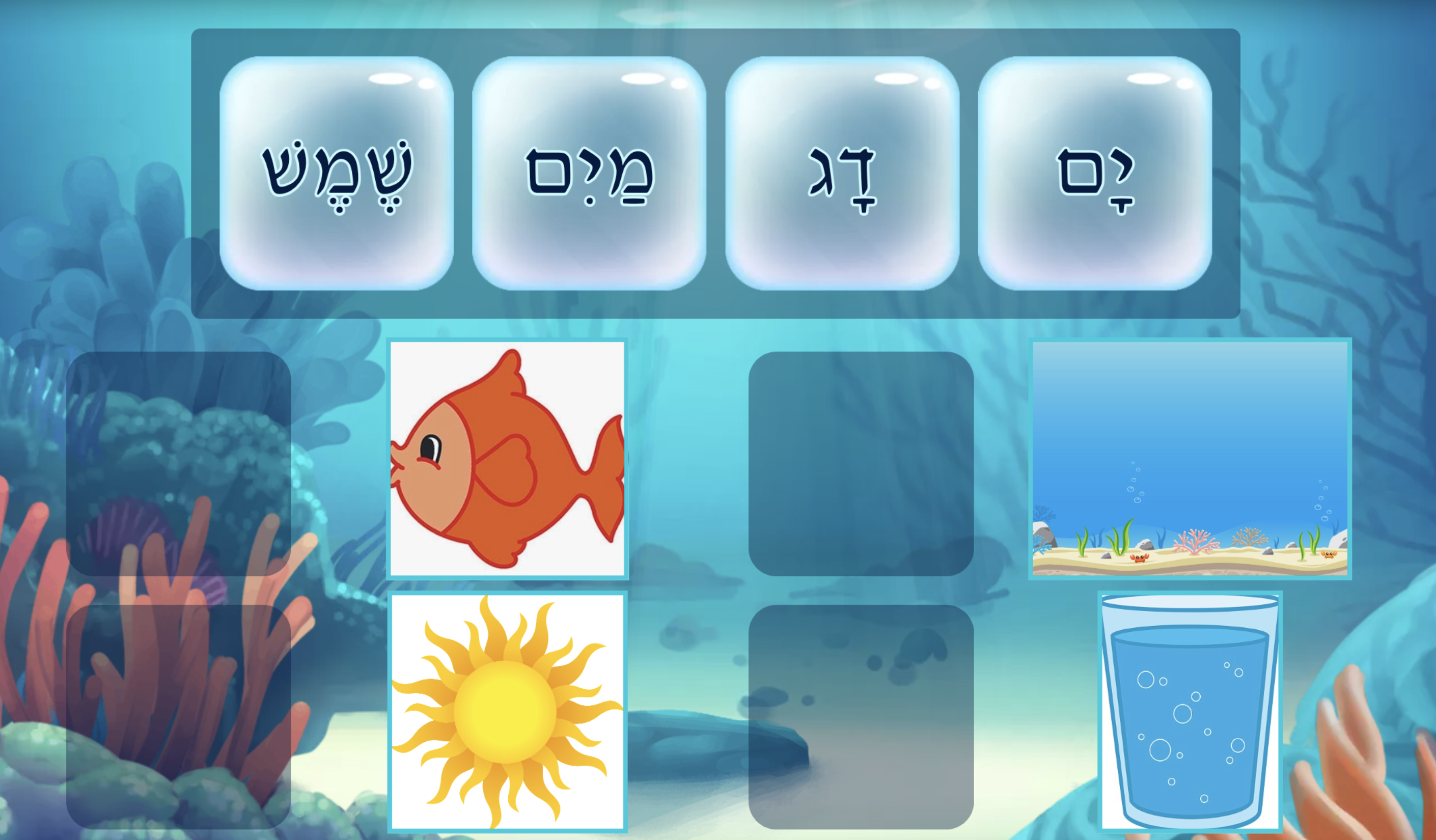
- Mayim (מַיִם) – Water: Explain that “Mayim” means water in Hebrew. Jonah found himself in a perilous situation when he was thrown into the sea (yam), and it’s important to understand the significance of water in the story.
- Yam (יָם) – Sea: “Yam” is the Hebrew word for sea. Emphasize that Jonah’s journey takes place on the sea, where he encounters the great fish and faces his trials.
- Dag (דָּג) – Fish: Teach the word “Dag” to represent the whale that swallowed Jonah. This is a key element of the story.
- Shemesh (שֶׁמֶשׁ) – Sun: Mention that “Shemesh” means sun in Hebrew. Jonah’s time in the belly of the fish is marked by darkness, and the sun becomes significant when he is eventually cast onto dry land.
During the Mincha service, encourage the kids to listen for these words as they appear in the reading. If any of these words are encountered, it can be a fun and educational moment to connect the service to the story of Jonah. This interactive approach can make the service more engaging and memorable for children while reinforcing their understanding of Hebrew and the holiday’s themes.
Yom Kippur Prayers Hebrew Crossword
This engaging activity will allow children to practice their Hebrew script writing while learning to spell the name of each prayer. As they complete the crossword, parents and educators can take the opportunity to discuss the meanings and importance of these prayers, helping children connect with their heritage and deepen their understanding of Jewish traditions.