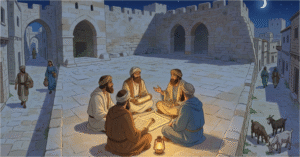
Lag BaOmer is a Jewish holiday that is celebrated on the 33rd day of the Omer, which is the period between the Jewish holidays of Passover and Shavuot. The holiday commemorates the life and legacy of Rabbi Shimon Bar Yochai, a prominent Talmudic sage who lived in the 2nd century CE. According to Jewish tradition, Bar Yochai was a disciple of Rabbi Akiva and one of the authors of the Zohar, a central text in the Kabbalah. Rabbi Shimon’s teachings emphasized the spiritual and mystical aspects of Judaism, and he is considered one of the greatest sages in Jewish history. Lag BaOmer also marks the end of a period of mourning in the Jewish calendar, when many observant Jews refrain from celebrating weddings and other joyous occasions.
The Plague of Rabbi Akiva’s Students
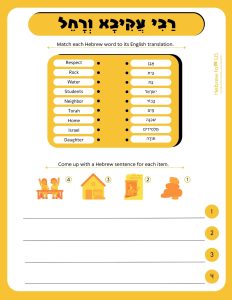
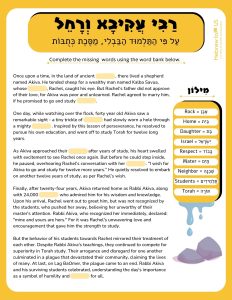
The holiday is also associated with the end of a plague that killed thousands of Rabbi Akiva’s students. The Talmud states that Rabbi Akiva’s students died due to a lack of respect for one another, and the plague continued until the 33rd day of the Omer, which is Lag BaOmer. On that day, the Talmud teaches that the deaths stopped and the students were no longer afflicted by the plague. Therefore, Lag BaOmer is seen as a day of celebration and joy, as it represents the end of a difficult time and the beginning of a new era. It is customary to light bonfires on Lag BaOmer, which symbolize the light and joy that were restored to the world after the darkness of the plague.
The Bar Kokhba Revolt
The Bar Kokhba Revolt was a rebellion that occurred in Judea during the Roman Empire’s reign in the 2nd century CE. The revolt was led by Simon bar Kokhba, a Jewish leader who sought to establish an independent Jewish state and overthrow Roman rule. The holiday of Lag BaOmer is associated with the Bar Kokhba Revolt because it is believed that on this day, the Jewish rebels achieved a temporary victory over the Romans.
How to Celebrate Lag BaOmer
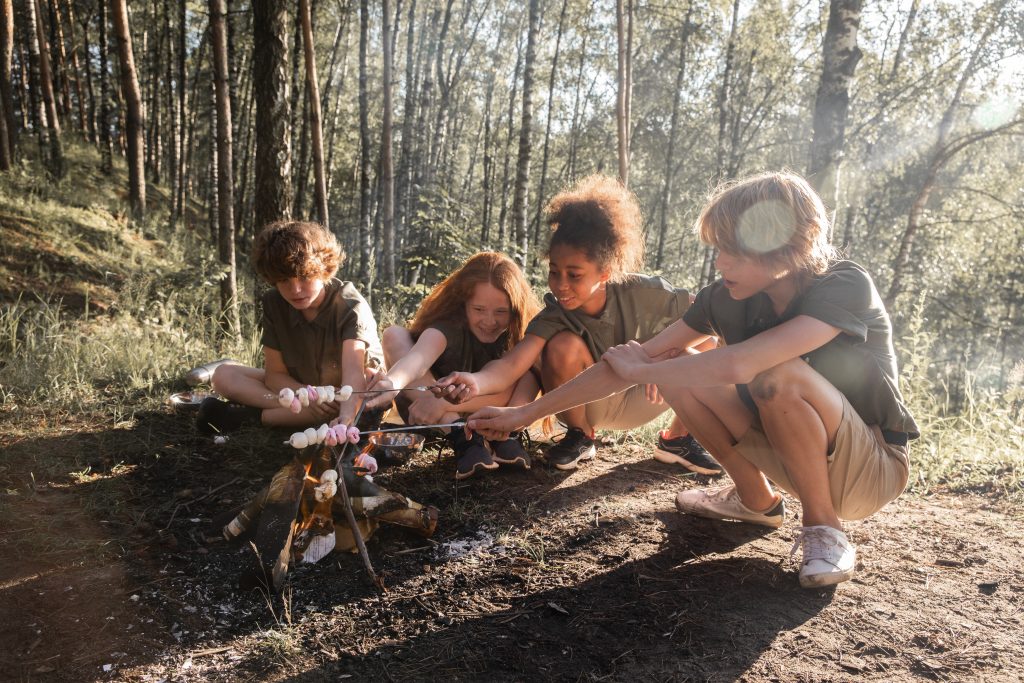
There are many ways to celebrate Lag BaOmer, and the holiday and mark it by a variety of customs and traditions. One of the most popular ways to celebrate is by lighting bonfires, which symbolize the spiritual light and warmth that Rabbi Shimon’s teachings bring to the world. Another common custom is to visit the tomb of Rabbi Shimon in Meron, Israel, where thousands of pilgrims gather to pray, sing, and dance. Many Jews also celebrate by eating traditional Lag BaOmer foods, such as roasted potatoes, Marshmallows, and anything you can put on the bonfire. Children often play with bows and arrows or have picnics and outdoor games with their families.
The Meaning of the Holiday’s Name
In Hebrew, every letter has a corresponding numerical value, which is known as gematria. The words Lag BaOmer are made up of two parts: “Lag” and “BaOmer”. The word “Lag” is an abbreviation in Hebrew for the number 33, which is the numerical value of the two Hebrew letters “Lamed” and “Gimel”. “BaOmer” means “in the Omer”, referring to the 49 days of counting the Omer between the Jewish holidays of Passover and Shavuot.
Hebrew Learning Activities for Lag BaOmer
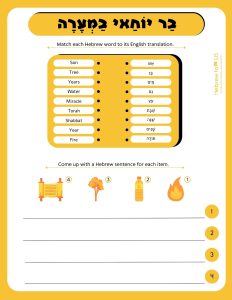
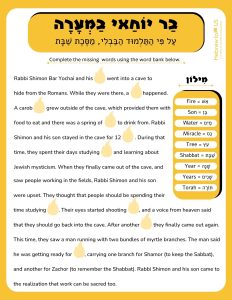
First up, read and learn about the story of Rabbi Shimon Bar Yochai in Hebrew. Why not gather the family together and read the story aloud peppered with some Hebrew words? Don’t worry if your Hebrew isn’t perfect – this is a great opportunity to practice and learn together. You could also act out the story using puppets or dress-up costumes, and encourage your kids to speak in Hebrew as much as possible. Who knows, you might even discover a budding little actor or actress in the family!
Next, let’s learn some Hebrew words and phrases related to Lag BaOmer celebrations. You could create flashcards with Hebrew words and pictures, or play a matching game online. Also, why not play a game of Hebrew bingo, using Lag BaOmer-related words as the numbers? You could also make a poster featuring the Hebrew words you’ve learned, and display it proudly in your home.
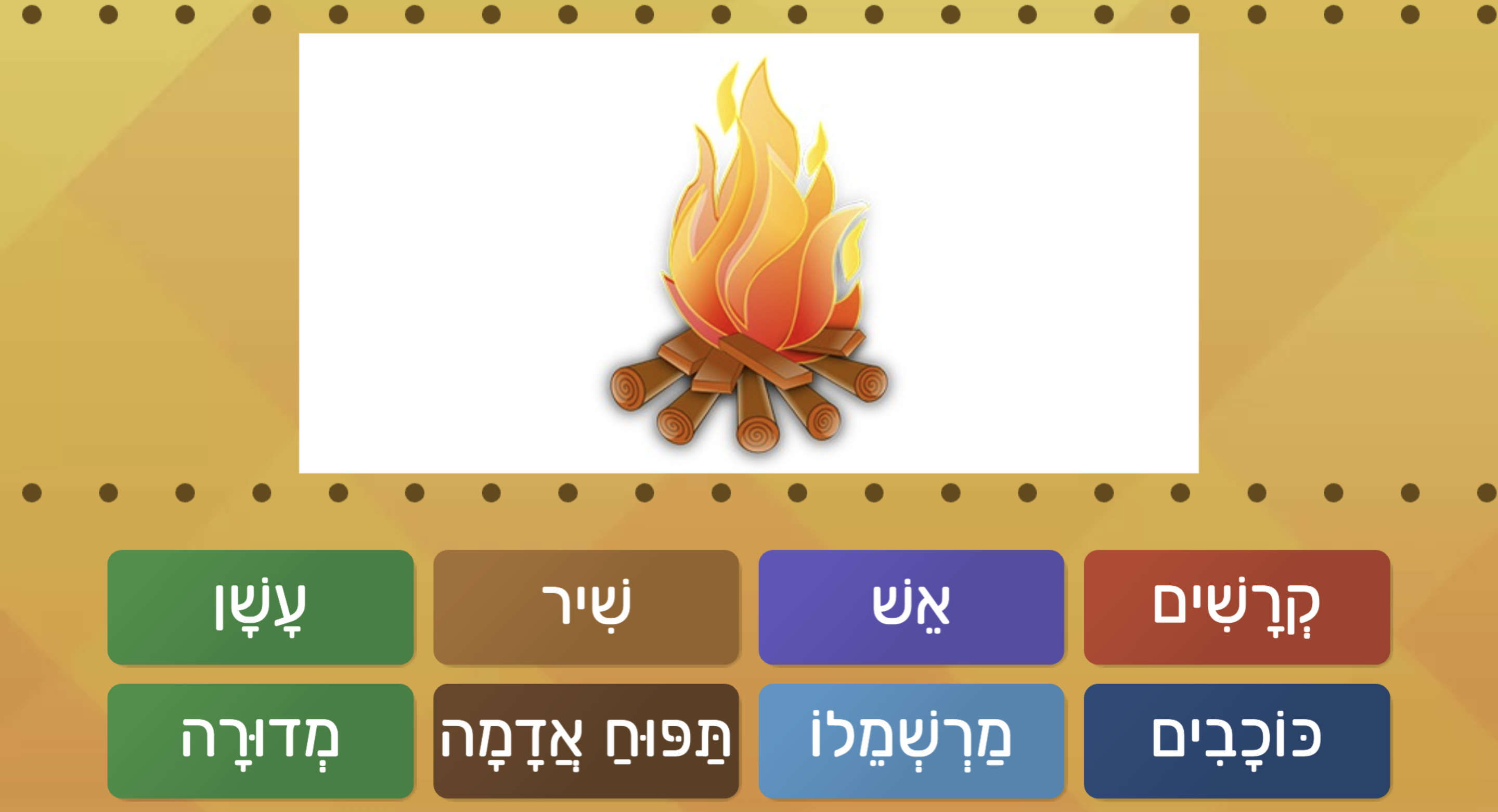
Now, let’s get singing! There are plenty of catchy Hebrew songs related to Lag BaOmer, and singing them together is a fantastic way to learn. You could play the songs on YouTube or a music app, and encourage your kids to sing along. Don’t worry if you don’t know all the words – just sing along anyway and enjoy the music. Plus, singing together is a great bonding experience for families.
Finally, let’s get creative with some Hebrew crafts related to Lag BaOmer. You could make paper bonfires or torches, and decorate them with Hebrew words and symbols related to the holiday. Or why not create a Hebrew Lag BaOmer memory book, featuring pictures and stories from your celebrations? You could even include some Hebrew writing and practice your handwriting together.