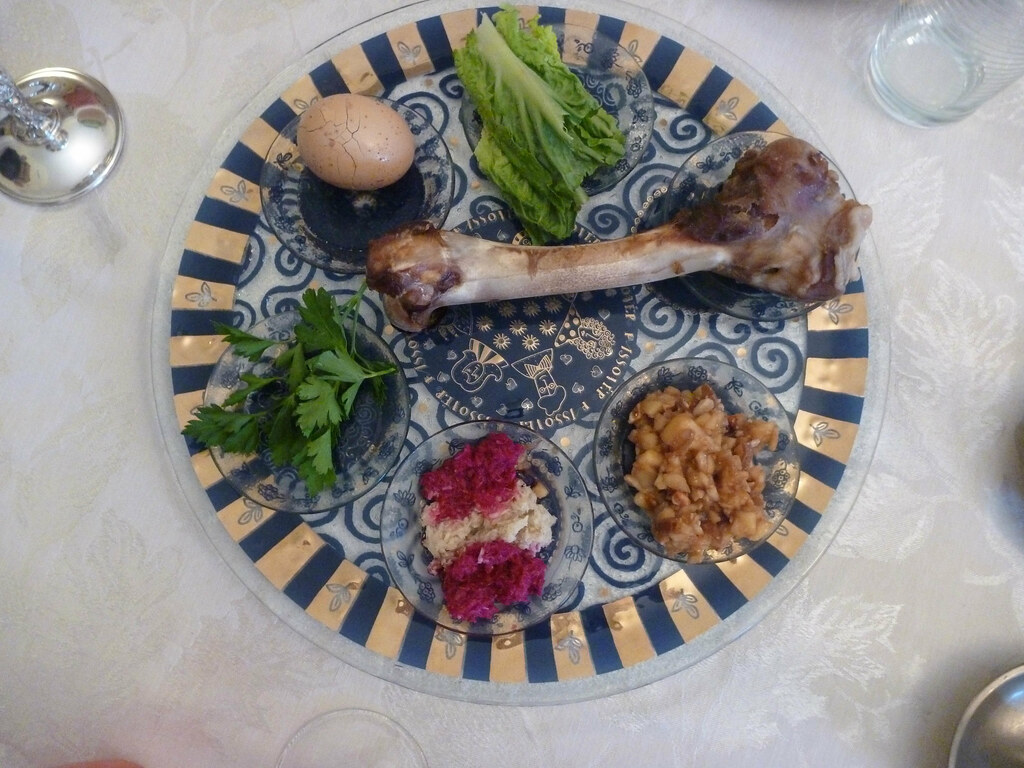
The Passover Seder plate is a symbolic representation of the Jewish faith and tradition. Jews use it to commemorate the Exodus from Egypt, but its meaning goes far beyond that. By understanding each item’s symbolism and exploring its deeper spiritual message, we can gain insight into why the Seder plate is such an essential part of our religious practice. With this knowledge, we can develop a greater appreciation for our heritage and create meaningful connections with our past as we celebrate freedom in the present.
Uncovering the Symbolic Meaning of the Seder Plate
The Seder plate is a traditional item that is used at the Passover festival. It holds symbolic foods that represent important aspects of the Passover story. The exact origin of the seder plate is unknown, but it appears to have evolved from earlier Passover customs over time. The earliest depictions of seder plates come from the 13th century in Spain and Germany, and some sources suggest that they date back even further.
Different Jewish communities around the world use the Seder plate in various ways. In modern times, most Jews use a single large plate with six compartments for each food item, although there are variations among Ashkenazi, Sephardi and Mizrahi Jews.
What if My Kids Don’t Speak Hebrew?
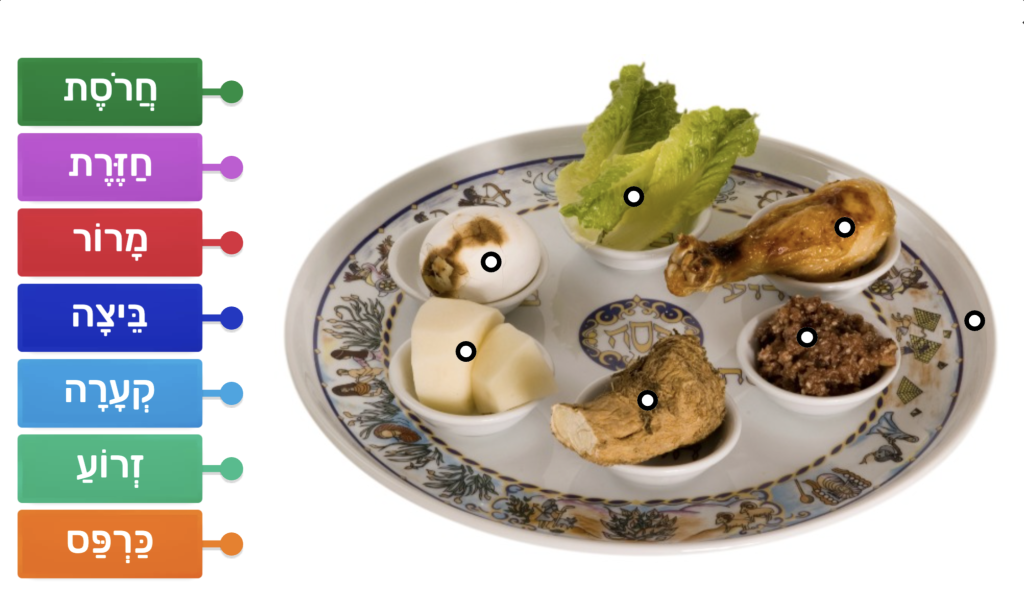
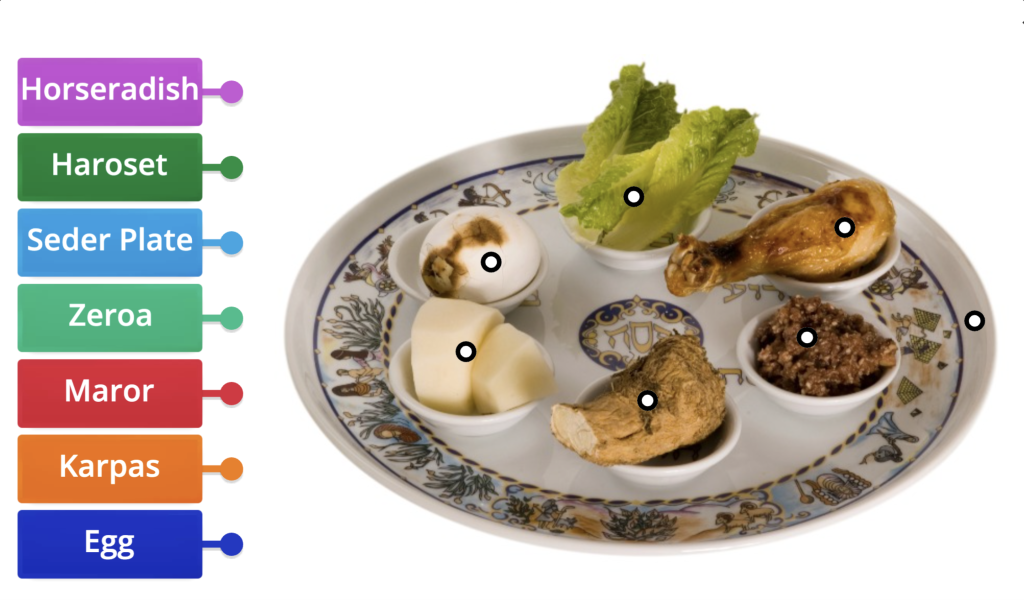
Not to worry, you can still learn about the different items using their English names or by using transliteration. One of the best way to do so is through playful online interactive games. Find below two examples for Hebrew and English Seder plate matching games, or click here to create you own.
Exploring the Items on the Seder Plate
Zeroa: The Passover sacrifice
The Zeroa (Hebrew for “arm”), or shankbone, is a key item on the Seder plate. It symbolizes the sacrificial offering of a lamb (or goat) that was common in ancient times and served as an atonement for sin. This tradition represents the original Passover sacrifice by the Israelites when they left Egypt. The Zeroa also represents strength, as it is the strongest part of an animal’s body.
Maror: The Bitter Herb
Maror (“bitter” in Hebrew) refers to a bitter vegetable such as horseradish or romaine lettuce which is on the plate to remind us of the bitterness and suffering experienced by our ancestors. Eating this bitter herb during ritual meals also sensitizes us to feelings of compassion and solidarity with those who suffer today all over the world from oppression.
Charoset: The Sweet Spread
Charoset (or haroseth) is a sweet mixture containing chopped nuts, apples, honey or wine that symbolizes the mortar used by Jewish slaves in Egypt for building projects for their Pharaoh. This food item carries two messages: firstly, it reminds us that although we may be enslaved physically or spiritually at times throughout life; secondly reminds us of hope associated with a joyous occasion like Passover.
Chazeret: The Secondary Bitter Vegetable
Chazeret (also known as kar’ah), typically purple or white horseradish added to maror on many seder plates today because they add another layer of symbolism related to servitude endured by our ancestors while living in exile in Egypt before Exodus took place. It represents the physical hardship experienced during this period but also signifies the hope that comes with eating them together representing unity despite any challenges faced along the way.
Karpas: The Green Vegetable
Karpas – typically boiled potato, celery or parsley – are dipped into salt water before being eaten during the seder. This practice has several symbolic meanings including bringing tears to one’s eyes similar to trials experienced during enslavement; reminding us fragility existence and how quickly everything can change; evoking a sense of humility remembering the smallness individual compared grandeur forces nature; expressing the desire for renewal through washing away old order start anew each year springtime celebrations.
Beitza: festival sacrifice (Korban Chagiga)
Beitza is a hard-boiled egg that is a symbol of Sacrifice that was offered at the Temple in Jerusalem, is then roasted and eaten as part of the meal on Seder night. It also serves as a reminder of how God provided food sacrifices for his people while they were in exile in Egypt, before they made their way out into freedom with Moses’ leadership. In this sense, the Beitza serves as a reminder that no matter how difficult our situation may seem, God will provide us with sustenance if we turn to faith.
Discovering the Spiritual Significance of the Seder Plate
The Seder Plate is an important representation of the collective memory and identity, a reminder of their roots, culture, and traditions. Through the centuries, this plate has been a source of pride for Jews as it serves to remind them that they are part of something larger than themselves. As Jews have endured persecution throughout history, celebrating Passover is an act of defiance against those who would seek to diminish their heritage.