So, you want to understand with the Omer is all about, huh? Well, let me tell you, you’re in for a treat! Were you ever about to take a bite of Challah when and you realize you haven’t said the blessing? Yeah, me too. Well, get ready, because we’re about to take that feeling and stretch it out over 49 days! That’s right, Counting of the Omer is a ritual where we count from Passover until Shavuot while reciting a blessing. Don’t worry, though – it’s not as daunting as it sounds, and you’ll fell amazing at the end.
What is the Omer?
Let’s start with the basics: what exactly is the counting of the Omer? Simply put, it’s a daily count of the 49 days between Passover and Shavuot. This practice is based on the biblical commandment to count the Omer. This rule refers to a measure of barley that was brought as an offering to the Temple in Jerusalem. Today, we still mark this period as one of spiritual growth and preparation for the holiday of Shavuot.
Historical Significance of the Practice
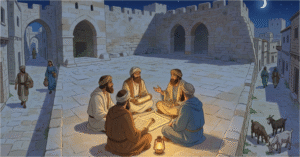
So, why do we count the Omer? The counting of the Omer has a rich historical significance that dates back to ancient Israel. The Omer used to be an agricultural offering at the Temple to mark the beginning of the harvest season. The 49-day period between Passover and Shavuot was a time of great anticipation, as the people of Israel eagerly awaited the arrival of the wheat harvest. The counting of the Omer was a way of counting down to this momentous occasion, and it served as a reminder of the important connection between the land of Israel and the Jewish people.
Biblical reference to the Omer
The concept of the Omer is mentioned several times in the Tanakh, most notably in Vayikra 23:15-16: “And from the day on which you bring the Omer of waving – the day after the Sabbath – you shall count off seven weeks. They must be complete: you must count until the day after the seventh week – fifty days.” As such, his commandment to count the Omer is a direct reference to the agricultural practice of offering the first sheaf of the barley harvest to God.
The harvesting of barley in ancient Israel
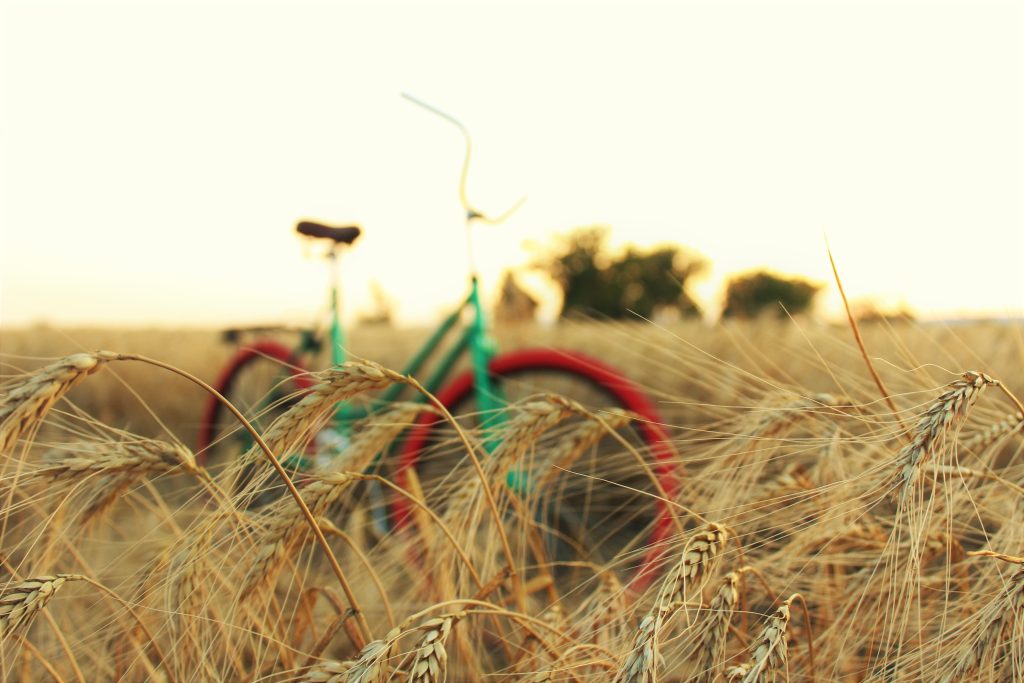
In ancient Israel, barley was the first crop to ripen in the springtime. As such, it was considered a symbol of new beginnings and the promise of a fruitful growing season. The first sheaf of barley was brought to the Temple as an offering on the second day of Passover. This marked the beginning of the seven weeks of counting the Omer, which ended with the arrival of the wheat harvest on Shavuot.
So, what does all of this mean for us today? Well, for one thing, it reminds us that there is an intimate connection between the natural world and our spiritual lives. Just as the ancient Israelites marked the changing of the seasons with agricultural rituals, we too can find meaning and connection in the cycles of nature. Plus, if you’re a fan of metaphors, there are plenty to be found here – the Omer can be seen as a metaphor for personal growth and development, as we count the days and work towards the goal of Shavuot, just as the ancient Israelites counted down to the arrival of the wheat harvest.
The Counting of the Omer
The daily ritual of counting
Every evening during the counting of the Omer, we recite a blessing and then count the number of days that have passed since the beginning of the Omer. The blessing goes like this: “Baruch Atah Adonai, Eloheinu Melech HaOlam, Asher Kidshanu B’Mitzvotav V’Tzivanu Al Sefirat HaOmer.” This translates to: “Blessed are You, Lord our God, King of the universe, who has sanctified us with His commandments and commanded us to count the Omer.” After reciting the blessing, we say the number of days that have passed since the beginning of the Omer.
The spiritual significance of counting the Omer
So, what’s the point of all this counting? Well, according to Jewish Kabbalistic tradition, the period of the Omer is a time of spiritual reflection and growth. Each of the 49 days represents a different aspect of our spiritual selves that we can work on improving. For example, Kabbalah associates the first week with the attribute of “Chesed” or loving-kindness. The second week is “Gevurah” or strength and discipline. By focusing on a different aspect of our character each day, we can use the Omer as a tool for personal growth and transformation.
Plus, there’s just something satisfying about counting down to a goal. Are you counting down to the end of the school year or the beginning of a long-awaited vacation? wither way, there’s a sense of anticipation and excitement that comes with each passing day. In the case of the Omer, we’re counting down to the holiday of Shavuot. This celebration commemorates the giving of the Torah at Mount Sinai. Using the Omer as a way to prepare ourselves spiritually for this occasion can deepen our appreciation for this major event.