Preparing Kids for Passover
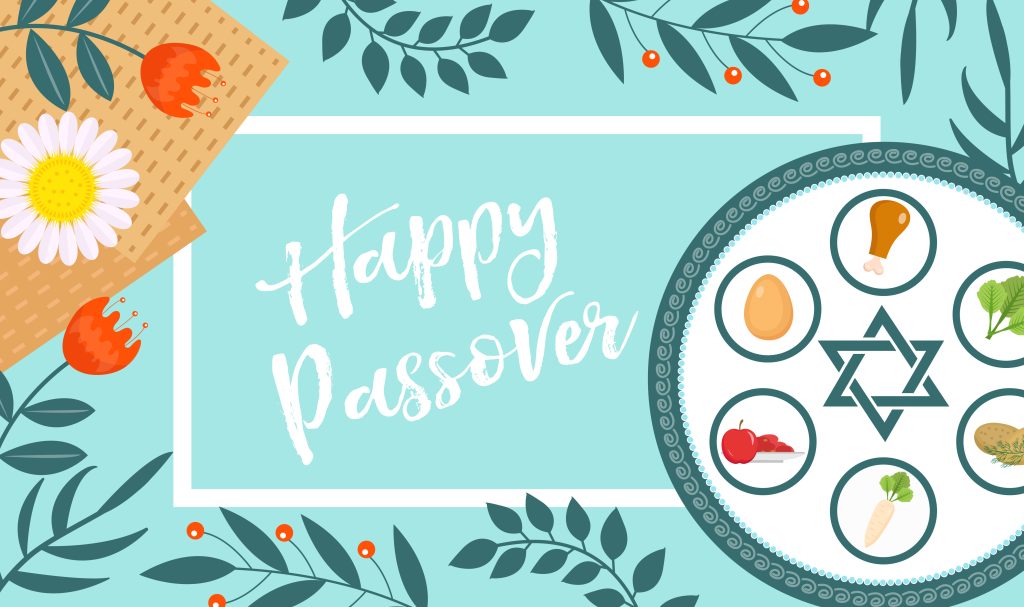
Learning about the Passover seder plate ahead of the seder is crucial for children to feel connected and engaged during the long night. By familiarizing themselves with the significance of each item on the plate, children can anticipate the rituals with excitement and curiosity. Understanding the symbolic meaning behind elements like the bitter herbs, charoset, and roasted egg empowers children to actively participate in the seder, asking questions and sharing insights. Moreover, learning about the seder plate fosters a sense of belonging, as children become active Jewish participants in a ritual that has been passed down through generations.
Exploring Different Jewish Traditions
Teaching kids about different Jewish traditions around the globe reveals the diverse interpretations and practices associated with the Passover seder plate. While the basic elements of the seder plate remain consistent, variations in ingredients and presentation reflect the unique cultural heritage of Jewish communities worldwide. For example, a seder plate in Morocco may include dates and figs in the charoset, while a seder plate in Ethiopia might feature additional items like chickpeas and bananas. Exploring these cultural nuances not only broadens children’s understanding of Jewish traditions but also fosters respect and appreciation for the rich tapestry of Jewish heritage.

Expanding Hebrew Vocabulary With a Passover Crossword
Take the attached PDF of the Hebrew crossword of the seder plate as an opportunity for children to expand their Hebrew vocabulary. Encouraging them to write the names of the Seder plate items using cursive Hebrew letters enhances their language skills and fosters a deeper connection to the Passover tradition. As they engage with the crossword puzzle, children not only reinforce their understanding of the seder plate components but also practice their Hebrew handwriting, further immersing themselves in the language learning.