How early is too early to learn Hebrew? For some people, Hebrew school is a necessary part of their childhood. Others may not be exposed to the language until they are adults. So when is the best time to start learning Hebrew?
There are many benefits to teaching the Hebrew alphabet for kids at an early age. For example, if you grow up in a synagogue, you will feel at home and be able to participate in services. If you ever plan on visiting Israel, being able to speak the language will come in handy. Additionally, learning Hebrew can help you learn other Semitic languages and develop a child’s sensitivity to languages.
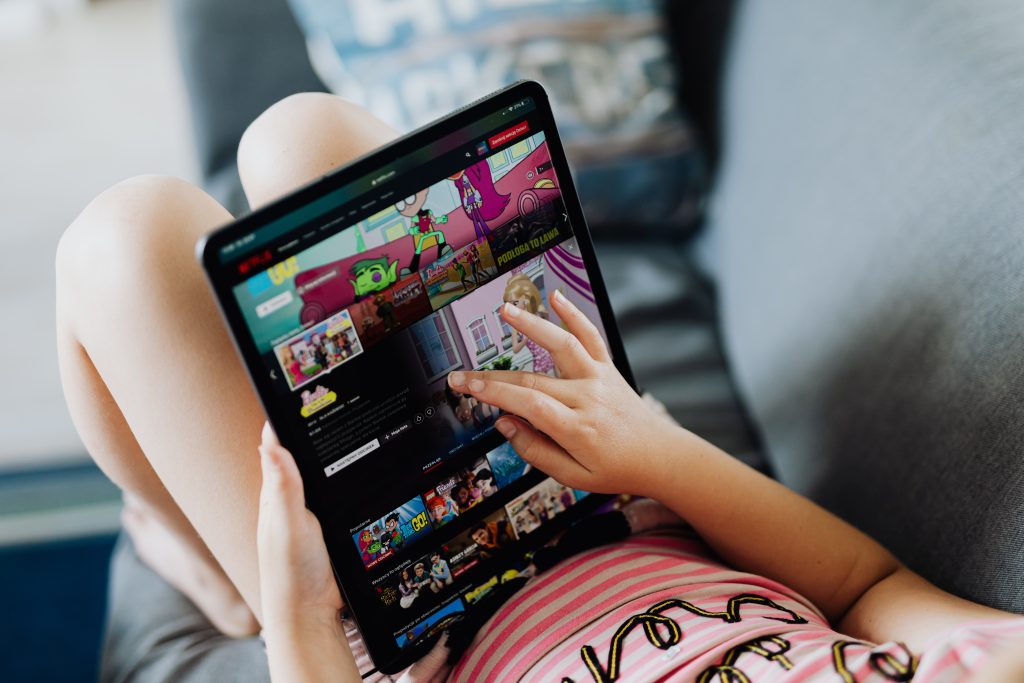
If you want your child to learn Hebrew, there are a few things you can do to make it easier. First, use Hebrew in your daily life as a family. This will help create a positive association with the language and make it seem like something natural and fun. Second, take advantage of technology and find apps or online games that can help your child learn while they play. Finally, choose books and movies that are enjoyable for your child so as to not discouraged them. How many times can you watch Frozen again and again? Next time – try the Hebrew dubbed version!
Learning Hebrew can be a rewarding experience at any age. But if you start early, you’ll have a head start on becoming fluent in this beautiful language.
The benefits of learning Hebrew at an early age
When it comes to learning Hebrew, the earlier the better. There are many benefits to learning Hebrew at an early age, including feeling more at home at a synagogue. Communicating well with Israelies, and gaining a better understanding of other languages are another important benefits. Also, you will save money on Hebrew tutoring right before the B-Mitzvah age.
Feeling at home in synagogue and Jewish environment
For children growing up in a Jewish household, learning Hebrew can help them feel more confident when entering a synagogue or participating in a Jewish activity. Becoming familiar with the language will allow them to follow along with prayers and readings, and understand what is being said during services. Knowing some Hebrew can help kids when they attend a religious school, a jewish summer camp or take part in cultural events.
Going to Israel? You can communicate
When planning a trip to Israel, learning Hebrew can be a great way to make the most of your experience. While English is widely spoken in Israel, knowing some Hebrew will allow you to connect with locals on a deeper level. From reading street signs and menus to chatting with taxi drivers and shopkeepers – being able to use a few Hebrew words goes a long way. This can transform a kid’s entire Birthright experience!
Learning Hebrew can help you learn other languages
Because Hebrew uses different characters than English (and most other European languages), it can be quite helpful for beginners who are looking to learn another language later on down the road. By starting with Hebrew, you’ll already have some exposure to a non-Latin alphabet – which can make learning another language that uses this alphabet (like Arabic or Yiddish) much easier than if you were starting from scratch. In addition, because Hebrew is such an ancient language, it shares many grammatical roots with other Semitic languages (such as Arabic and Aramaic). As such, once you’ve learned some basic vocabulary and grammar principles in Hebrew, it’ll be that much easier to pick up another related language further down the line.
How to learn Hebrew at an early age
One way to learn Hebrew at an early age is to use it in your daily life as a family. You can start by teaching your child basic words and phrases in Hebrew, such as “Shalom,” “Todah,” and “L’hitraot.” You can also incorporate Hebrew into other activities such as singing songs, reading stories, or playing games. As your child’s proficiency improves, you can begin using more Hebrew in everyday conversation.
Another way to help your child learn Hebrew is to use technology. There are a variety of apps, websites, and software programs that can make learning Hebrew fun and interactive. Look for programs that offer engaging activities, such as puzzles, games, and videos. These types of programs can be especially helpful for visual learners.
Finally, another way to encourage your child is to choose fun films and books that are written in or subtitled in Hebrew. This how they see the language being used in a real-world context. Instead of watching the same cartoon again and again, try watching the Israeli version – Arthur, Frozen and the Lion King are only a few examples.