Passover is a time to celebrate Jewish freedom from slavery in Egypt. An important part of this celebration is the preparation and cleaning that comes with it. Teaching your children Hebrew cleaning vocabulary can make Passover preparation more fun while also helping them learn valuable language skills. This blog post will explore how to involve your kids in the process, create fun activities, and provide an introduction to common Hebrew cleaning vocabulary used during Passover preparations. By following these tips, you can ensure that your family has a meaningful and enjoyable experience during this special holiday.
Passover is an important time for many families, and it is a great opportunity to spend time with the family and teach children about the traditions of the Jewish faith. One way to make Passover preparation fun for kids is by teaching them Hebrew cleaning vocabulary. This can help young children learn about their culture, practice their language skills, and gain knowledge of customs related to Passover cleanliness.
Making Passover Preparation Fun for Kids
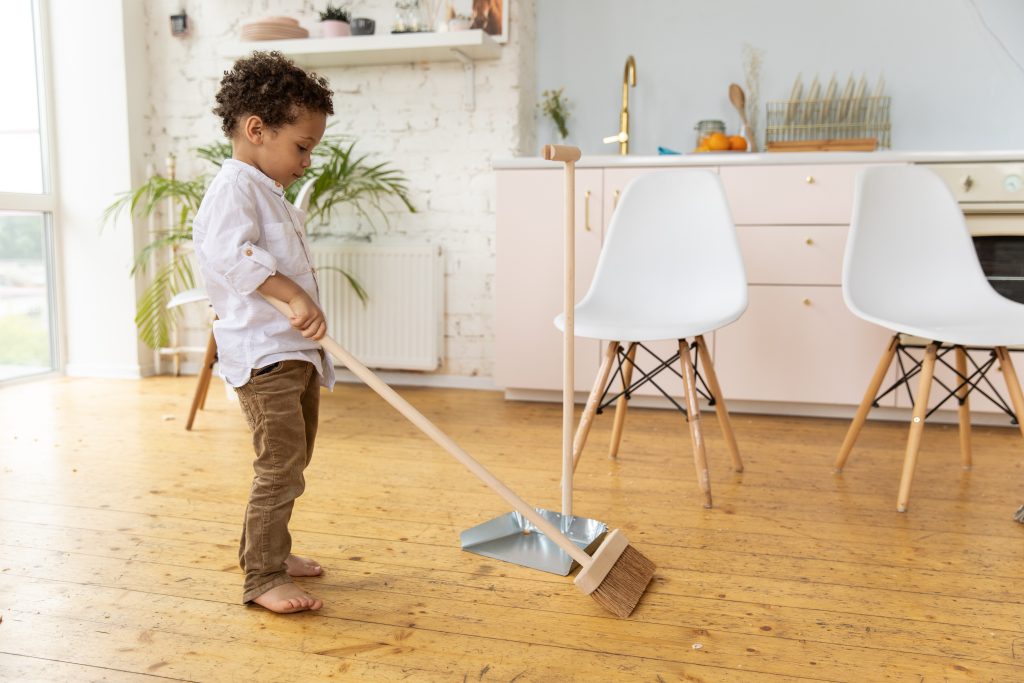
When it comes to teaching children Hebrew cleaning vocabulary during Passover preparations, the best way is to do it interactively. Parents should involve their kids in the process of cleaning and preparing for the holiday. Making tasks enjoyable and interactive will help keep children engaged while also promoting a sense of involvement, responsibility, and accomplishment when they understand some of the important steps involved in getting ready for Passover.
For example, parents can start by breaking down large tasks into smaller chunks that are more manageable for kids. As each step is completed, parents can explain what each activity is called in Hebrew so that kids learn new words while completing chores together. Additionally, parents can encourage children to take initiative with small tasks such as organizing cupboards or sorting through toys—tasks that may be too difficult or tedious on their own but become more fun with an adult’s supervision.
Creating Games and Other Activities to Make the Process Fun
In addition to involving your children directly in the cleaning process, there are other ways you can make Passover preparation fun for your family. While engaging in activities such as making Matzah balls or Charoset together are great opportunities for learning about Jewish culture and traditions, there are plenty of other games and activities you could create to make this time even more enjoyable for your kids:
• Have a scavenger hunt around the house looking for items related to the Passover cleaning (i.e. rags, sponges). This game would give kids an opportunity to explore different rooms of their home while also searching for specific items.
• Create an obstacle course using items found around the house that requires participants to navigate between objects while deciding which ones to keep and which to part with as preparation for the newness of Spring and Pesach.
• Write out instructions on how to clean different areas of your home incorporating one Hebrew word in each sentence; then let your child try his or her hand at deciphering them!
Common Hebrew Cleaning Vocabulary to Teach Kids
When teaching your children Hebrew cleaning vocabulary, the kitchen is a great place to start. Start by teaching them the most common words for kitchen items, including counter (Shayish), sink (Kiyor), stove (Kirayim), refrigerator (Mekarer), oven (Tanur), dishes (Kelim) and utensils (Sakum). Additionally, teach your children the names of common kitchen activities such as washing dishes (Shtifat Kelim) and vacuuming (She’ivat Avak).
Bathroom Hebrew Vocabulary
In the bathroom, there are many opportunities for teaching your kids Hebrew cleaning vocabulary. Teach them words for bathroom supplies like toilet paper (Niyar Toalet) and trash can (Pach Ashpa). Also, teach them how to say words that are similar to English such as a mirror (Mar’ah) and boiler (Boiler).
Living Room Vocabulary
In the living room, teach your children basic words for furniture like a sofa (Sapa), armchair (Kursa) and bookshelf (Madaf Sefarim). Finally, show them how to use a duster by saying something like “dust off the TV stand with a duster” (Naku and Ha’avam Me’Ha’Televizia).
Seder
During Passover preparations, it is important to introduce kids to some of the special words used during seders such as Matzah, Maror, Charoset, Karpas. Other seder-related words that you can teach include seder plate (Ke’Arat HaSeder) four cups of wine (Arba Kosot), Hagadah and Afikoman.
Naki
Along with seder preparation, the word ‘Naki’ which means ‘clean’ can come in fairly handy. After completing each task you can loudly declare with your kids ‘Naki LePesach’ which means the area is clean for Pesach and no Chametz is allowed there until after the holiday has concluded. Another common phrases are Bedikat Chametz – searching through one’s house looking for Chametz; Biur Chametz – burning any found Chametz; Bitul Chametz – nullifying ownership of any remaining Chametz; Mechirat Chametz – selling any remaining Chametz; and Kashering vessels – making sure all utensils used throughout year are kosher for Passover use.
Passover preparation can be fun for kids if they are involved in the process and taught Hebrew cleaning vocabulary. Teaching your children Hebrew cleaning vocabulary is a great way to involve them in the Passover preparations while also helping them learn more about their faith and culture. With these words, your children will have a better understanding of how to help out with Passover preparation and make it an enjoyable experience for everyone!