Spring is in the air – and that means it’s time to celebrate Passover! Passover is a wonderful holiday that celebrates freedom and renewal, but for many of us, it is also an opportunity to brush up on some Hebrew. Therefore, take a look at this quick Passover language guid. We’ll start by exploring the basics of Hebrew before delving into more specific topics such as the Aviv season, the Seder meal and Chametz that must get cleaned up. So get ready to learn about how you can make your Passover celebrations even more meaningful with this ancient yet vibrant language!
Aviv
Aviv is the Hebrew word for Spring. Today it is also a popular name for boys and girls, alongside with the familiar Aviva for girls. This is a time of renewal and joyous celebration as Jews around the world observe Passover. It is not uncommon to walk down the streets of Tel-Aviv and encounter people named ‘Aviv’ who were born in the Spring! Yes, you got that right ‘Tal-Aviv’ is also named after this favorable time of the year.
Celebrating Aviv and Passover
During Passover, Jews celebrate by gathering with family and friends to read from the sacred text of the Haggadah. They also feast on traditional foods such as Matzaball soup, Moroccan fish and the Persian Ghondi, sing songs and tell stories. Traditionally, families will also decorate their homes with flowers and greenery to symbolize new beginnings associated with Aviv and Passover celebrations.
Seder
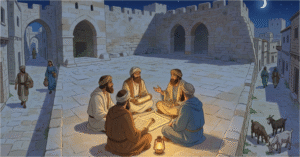
Seder is a Hebrew word that means “order” or “arrangement.” The term usually refers to the traditional Passover meal, which includes a series of rituals and prayers. During the meal, families follow the Simanim of the Hagaddah and retell the story of the Exodus from Egypt. However, Seder doesn’t have to be Passover related. There is also Rosh Hashanah Seder and even Tu-Bishvat Seder!
Traditional Prayers & Songs
During a traditional Seder, many ancient prayers are recited in Hebrew along with traditional songs like “Dayenu” (which means “it would have been enough”) and the famous Ma Nishtana (“why is this night different than all other nights”). Knowing some basic words can help you participate in these prayers and feel more comfortable.
Learn Key Words Related To Food & Drink
No Passover language guid goes without some traditional food (unless, of course, it’s Yom Kippur). If you’re planning to attend a Seder, learning key food-related words in Hebrew can greatly enhance your experience. By familiarizing yourself with these words, you’ll gain a deeper understanding of the meaning behind each dish and be able to fully appreciate those rich culinary traditions. Whether you’re a seasoned Seder-goer or a first-time attendee, learning key food-related words is a valuable investment that will enrich your experience.
Maror
This a Hebrew word that refers to a bitter herb, usually horseradish or lettuce, which we eat during the Passover Seder. Maror literally means “bitter”. The origins of Maror are rooted in the biblical story of the Israelites’ enslavement in Egypt, where they suffered greatly under harsh conditions. The bitterness of the herb represents the bitterness of the Israelites’ enslavement and the hardships they endured. Eating maror during the Seder serves as a reminder of the suffering of the Israelites and the importance of freedom. It is customary to eat Maror together with Matzah and Charoset as a way of connecting to the past of the Jewish people. Although Maror is not the most enjoyable food to eat, its bitterness adds an important layer of meaning and significance to the Seder.
Charoset
Charoset is a Hebrew word that refers to a sweet, paste-like mixture made from chopped apples, nuts, honey, and wine. It is one of the symbolic foods that Jews eat during the Passover Seder. The origins of Charoset comes from biblical story of the Israelites in Egypt, where they worked long hours making bricks. The sweetness of the Charoset represents the hope and promise of a better future, while the texture of the mixture symbolizes the mortar used by the Israelites to build the storage cities Pitḥom and Rameses.
Chametz
Chametz refers to any food containing one or more of five grains – wheat, barley, spelt, rye or oats – that are being left to ferment over some time. This includes bread and other baked goods such as cookies or pastries. Beer is also forbiden during Passover as there it is barley in it. Jews today do not eat these items because during their escape, the Israelites couldn’t let their bread rise, and so they ate Matzahs!
Get Ready!
As you prepare for the holiday with this Passover language guid, take some time to appreciate this beautiful language and its place in Jewish culture. With a little dedication and effort, anyone can quickly learn enough Hebrew to make the celebration more meaningful. If you want to take your Hebrew to the next level, try using a free language app. So what are you waiting for? Let’s start right away!