As Jewish parents, we want our children to grow up with a strong connection to our traditions and faith. One practice, Sefirat Haomer, also known as the counting of the Omer, is a tradition that dates back to ancient times. It involves counting the 49 days between the second day of Passover and Shavuot. Sefirat Haomer has both religious and spiritual significance and is an excellent opportunity to have a daily practice that involves Hebrew.
The Importance of Sefirat Haomer in Jewish Tradition
Sefirat Haomer has been an essential practice in Jewish tradition for thousands of years. It commemorates the period between the Exodus from Egypt and the receiving of the Torah at Mount Sinai. The journey from freedom to the covenant, from liberation to responsibility, all in 49 days.
It is believed that during this time, the Israelites were engaged in spiritual self-refinement in preparation for receiving the Torah. As such, counting the Omer is regarded as a spiritual journey of self-improvement and personal growth. It is an opportunity for us to pause daily and reflect on how we can strengthen our connection to God and our community.
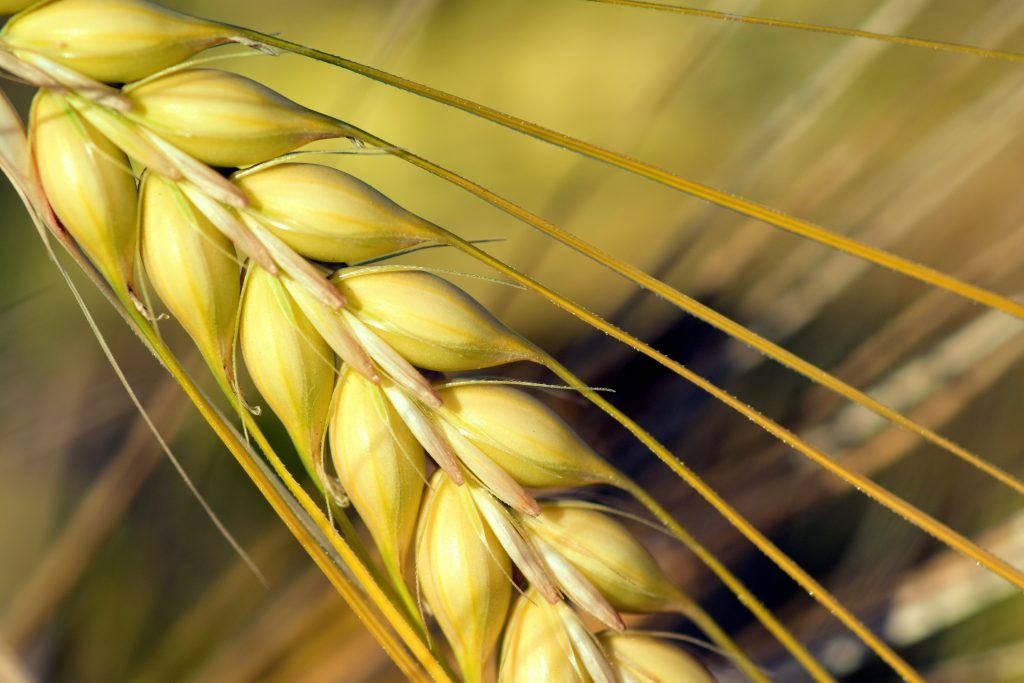
Sefirat Haomer is connected with barley because it marks the period between the barley harvest and the wheat harvest in ancient Israel. In the Torah, the Omer offering, consisting of barley, was brought to the Temple on the second day of Passover. The agricultural cycle of planting, nurturing, and harvesting was central to the ancient Jewish way of life, and the counting of the Omer served as a reminder of the dependence on the land and the blessings of sustenance from God.
Best Age to Introduce Sefirat Haomer to Kids
Children can start learning about Sefirat Haomer at any age. However, it is best to introduce the counting of the Omer as early as they can recite blessings – around three years old. When taught in a fun and engaging way, even young children can find the practice meaningful and exciting.
Tips for Making Sefirat Haomer Fun and Engaging for Kids
Sefirat Haomer can be a meaningful daily practice for kids when incorporating some visual aids. Here are a few tips to help you make the practice enjoyable for your kids.
Sing Hineni beforehand
The following is a traditional prayer said before counting the Omer. It is of a Kabbalistic source, a piece called Lesem Yichud:
Hineni Muchan um’zuman l’kayem mitzvat aseh shel s’firat ha’omer k’mo shekatuv baTorah: Us’fartem lakhem mimaharat hashabbat miyom havi’echem et omer hat’nufa, sheva shabbatot t’mimot tihiyenah.
Sing this Hebrew song together before counting!
Learn the Hebrew blessing
If your kids can read Hebrew, here is a game that can help them learn the words of the blessings:

Otherwise, here is it transliterated:
Barukh ata Adonai Eloheinu Melekh ha’Olam asher kid’shanu b’mitzvotav v’tizivanu al sefirat ha’omer.
Here you would add the corresponding day of the Omer, so on the first day it would be: Hayom yom echad la’omer.
Make sure to look at the Siddur for more specific instructions.
Creative Ways to Count the Omer with Kids
One of the best ways to make Sefirat Haomer fun for kids is by being creative with the counting process. Here are some ideas:
– Make a countdown calendar: Create (or buy) a calendar with 49 squares, one for each day of the Omer. Each day you can decorate the square with a symbolic artificial barley leaf to mark the passing day.
– Create a sensory jar: Fill a clear jar with small items, such as beads or colorful pom-poms, or even unhulled barley, and encourage your children to add one item to the jar each day.
– Use edible ingredients: You can use colorful candies or cereal to count the Omer. Give your kids a set number of candies each night to represent the day they’re counting.
Fun Activities and Games to Enhance Sefirat Haomer Learning
There are various fun activities and games that you can play with your kids to enhance their learning and understanding of Sefirat Haomer. Here are some ideas:
– Coloring pages: Print out coloring pages related to the practice of counting the Omer. Kids can color each page as they count down the days.
– Word games: Create word games that relate to the practice of counting the omer. For example, you can create a crossword puzzle using words associated with the tradition.
– Online games: See if you can get through this Omer quiz or learn something new!
Practical Strategies for Consistent Sefirat Haomer Practice
Sefirat Haomer is a daily practice that requires consistency to create meaningful experiences for your kids. Here are some practical strategies for making it a part of your family’s daily routine.
How to Make Sefirat Haomer a Daily Habit for You and Your Kids
Here are some tips to help make Sefirat Haomer a daily habit for you and your kids:
– Choose a consistent time: Select a time that works well for your family and stick to it each day.
– Create a reminder: Use your phone or computer to create daily reminders to count the Omer.
– Incorporate it into your bedtime routine: Consider making Sefirat Haomer part of your bedtime routine, so you never forget to do it.
Dealing with Resistance or Disinterest from Kids
Not all children will be excited about counting the Omer. Here are a few tips to help you deal with resistance or disinterest from your kids:
– Make it a game: Encourage your kids to make the counting process a game by challenging them to find new and creative ways to count each night.
– Make it a family affair: Get everyone in the family involved in the practice of counting the Omer. This may help to make it feel more inclusive and exciting.
– Be patient: Remember that it may take time for your children to embrace the practice of counting the Omer. Be patient and continue to make it a part of your daily routine.